
J. Kalani Peterson’s Ukulele Method Book (1924): A Cornerstone of Ukulele History
Have you ever held a piece of ukulele history in your hands?
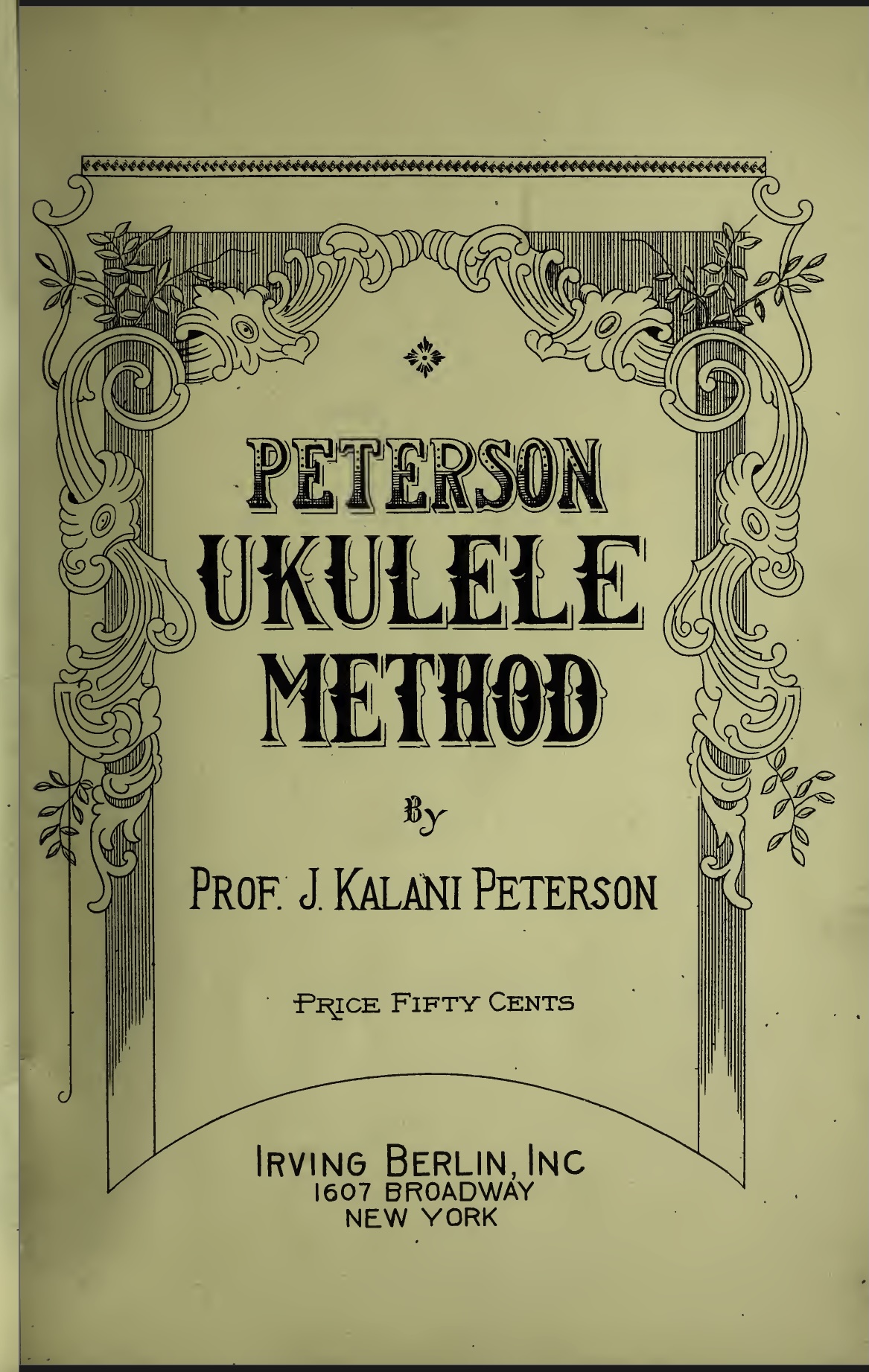
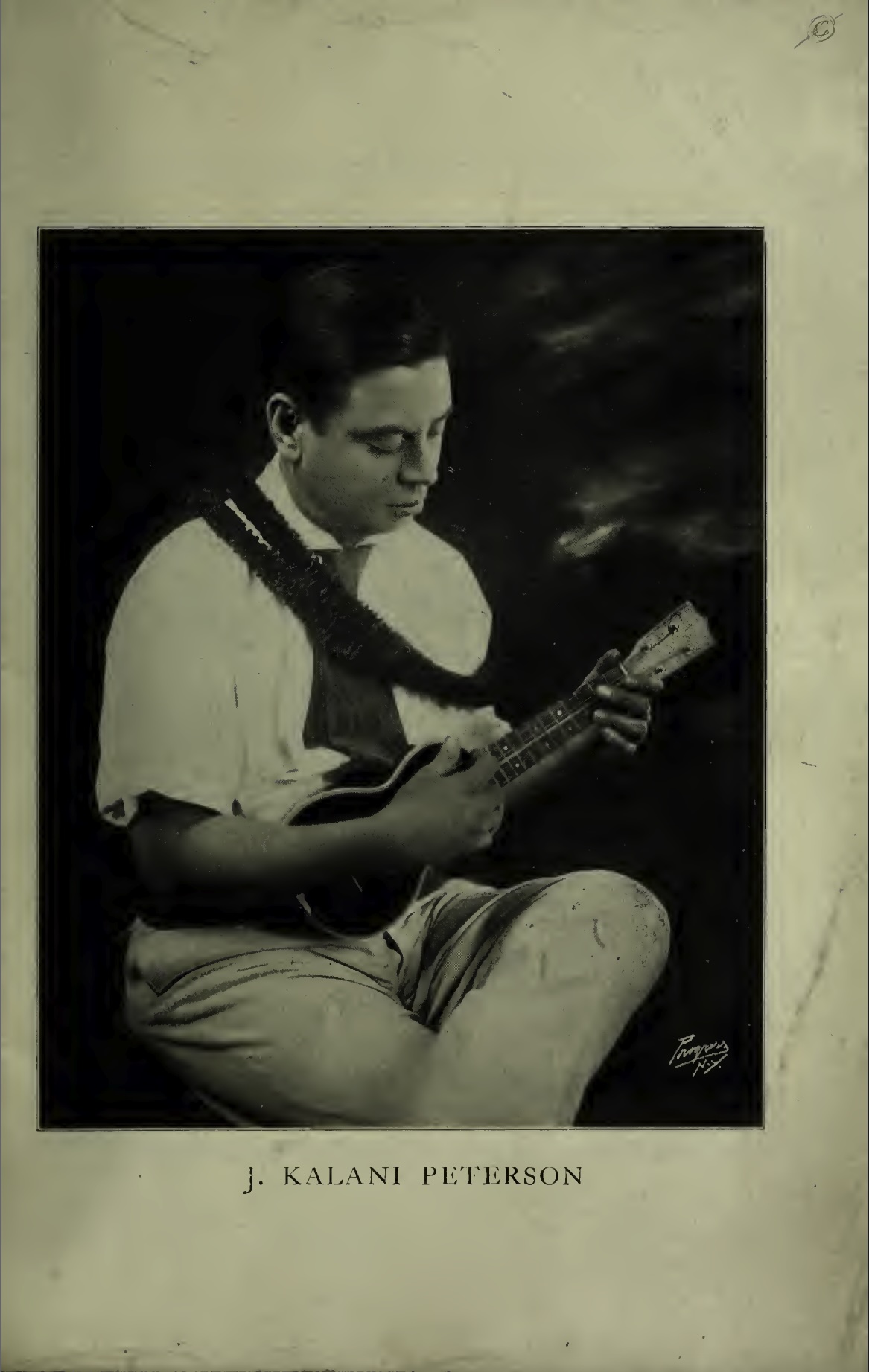
This original 1924 edition of the Peterson Ukulele Method by J. Kalani Peterson is one such treasure. This particular copy comes from my own family—J. Kalani Peterson was from my father’s side of the ʻohana and among the very first musicians to teach and formally document ukulele instruction.
More than a century later, this remarkable book still stands as one of the most complete and forward-thinking ukulele method books ever published.
A Deep Hawaiian Legacy
J. Kalani Peterson was born and raised on Oʻahu, in an area called Pālama, just beyond downtown Honolulu near what many locals know today as Tomashiro Market. There is still a small roadway there called Peterson Lane, where my family lived for generations.
This area was also rich with Hawaiian royal history. Queen Liliʻuokalani once had a nearby home called Mu Lāni, and she also resided in Waikīkī at Pā Kalani, as well as near the palace grounds in central Honolulu. Music, culture, and history were deeply intertwined in this part of Honolulu—and Kalani Peterson was right in the heart of it.
A Pioneer of Hawaiian Music on the Mainland
J. Kalani Peterson was part of a major wave of Hawaiian musicians in the late 19th and early 20th centuries who traveled from Hawaiʻi to the continental United States. These musicians introduced the world to the ukulele, steel guitar, slack key guitar, and uniquely Hawaiian tuning systems and playing techniques.
By the 1920s, Kalani Peterson had become widely known as the “Steel Guitar King” in New York City. He performed at prominent venues such as the Hawaiian Room at the Lexington Hotel, alongside legendary bandleaders like Ray Kinney, whose large Hawaiian ensembles helped popularize island music across the mainland.
The Peterson Ukulele Method: Ahead of Its Time
Published in 1924, the J. Kalani Peterson Ukulele Method book remains astonishingly relevant. Like Ernest Kaʻai, who published one of the very first ukulele method books around 1908, Kalani Peterson was not only a performer but also a dedicated educator and ambassador for the instrument.
This book goes far beyond basic instruction.
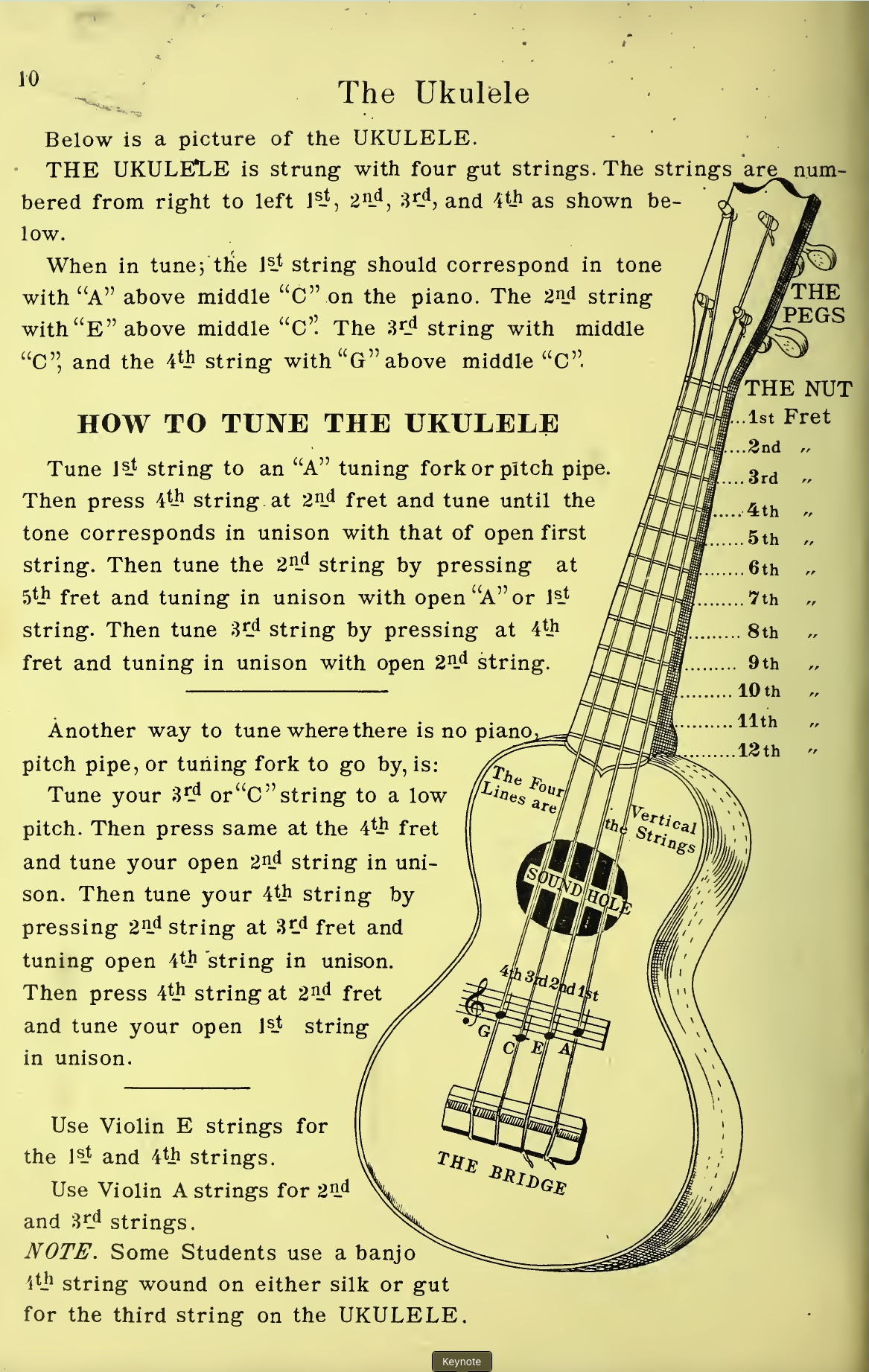
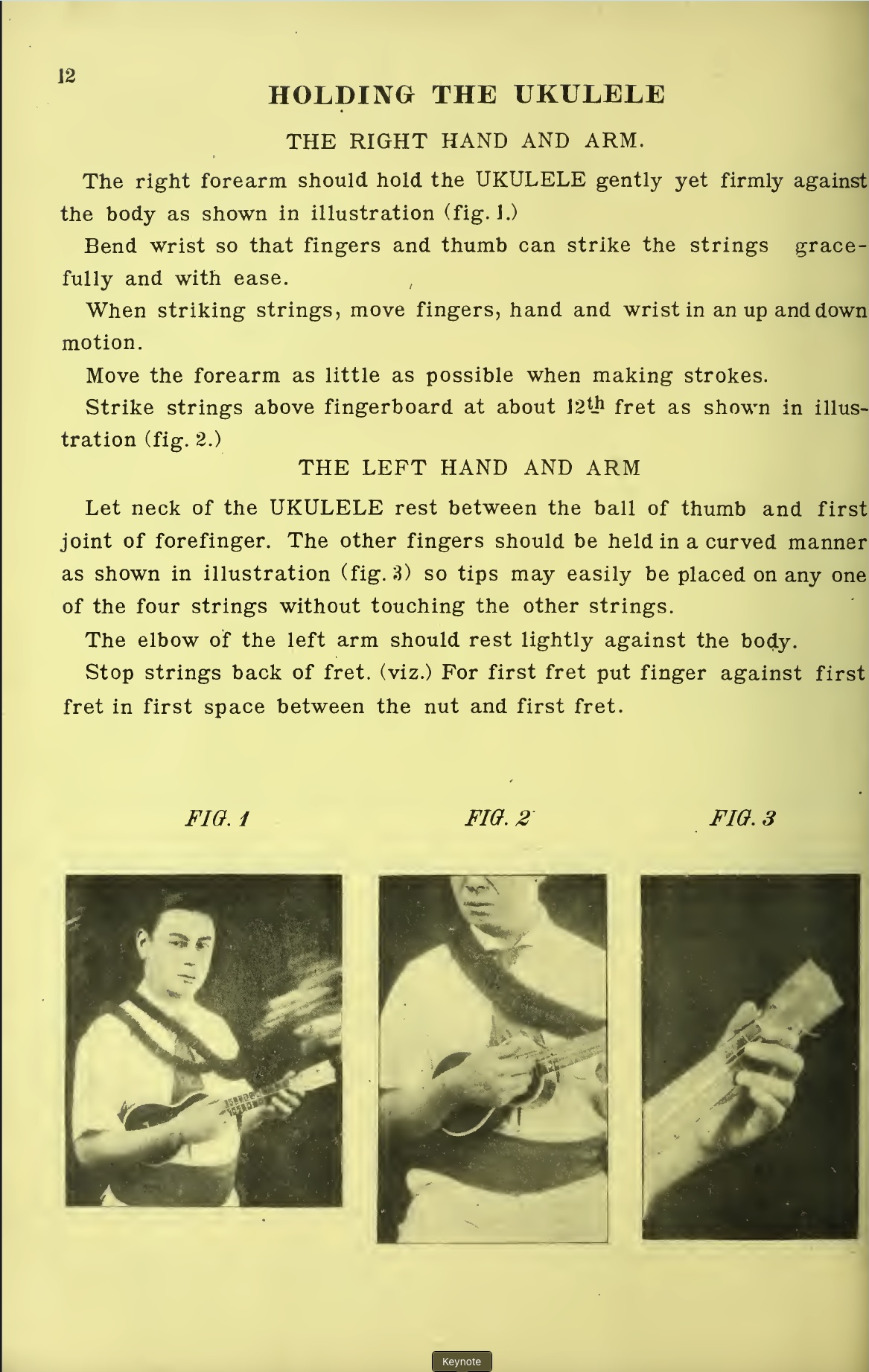
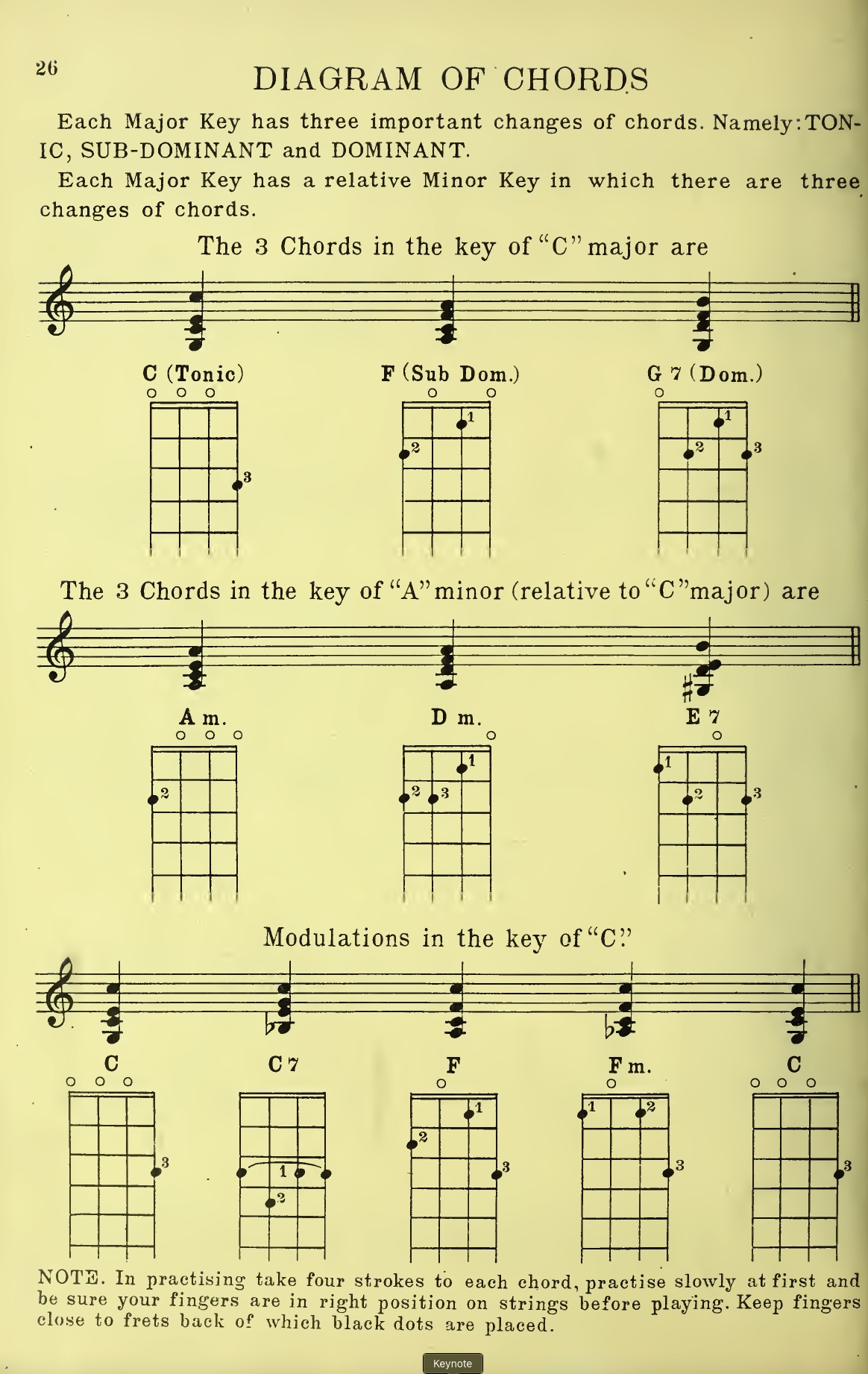
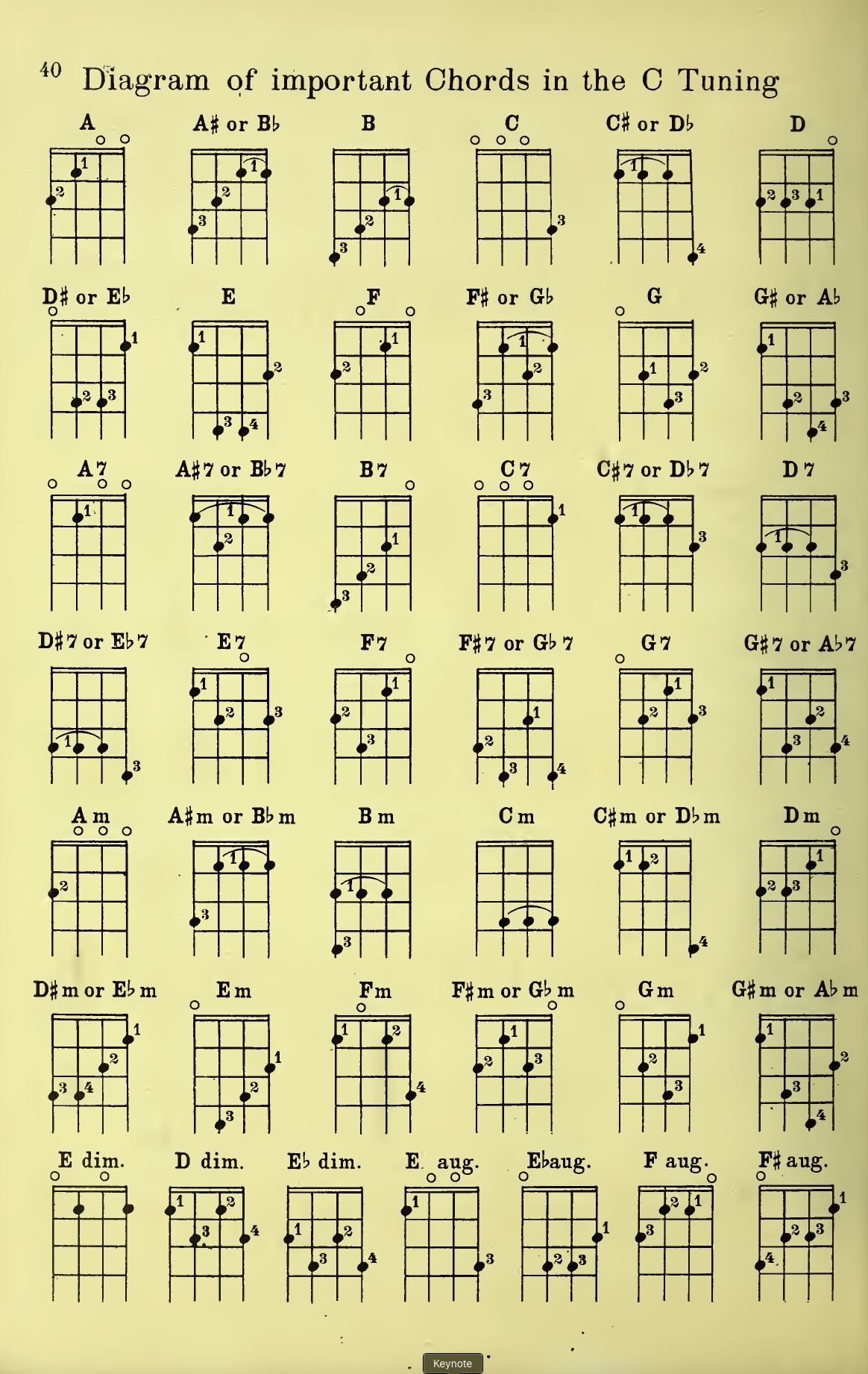
It includes low-G ukulele tuning well ahead of its time, multiple strumming techniques, fingerstyle ukulele instruction, standard notation and early ukulele tablature, clear chord diagrams, and harmonized scales in every key—including challenging keys like E-flat, A-flat, and F-sharp. The book also explores extended harmony, such as ninth chords and diminished chords.
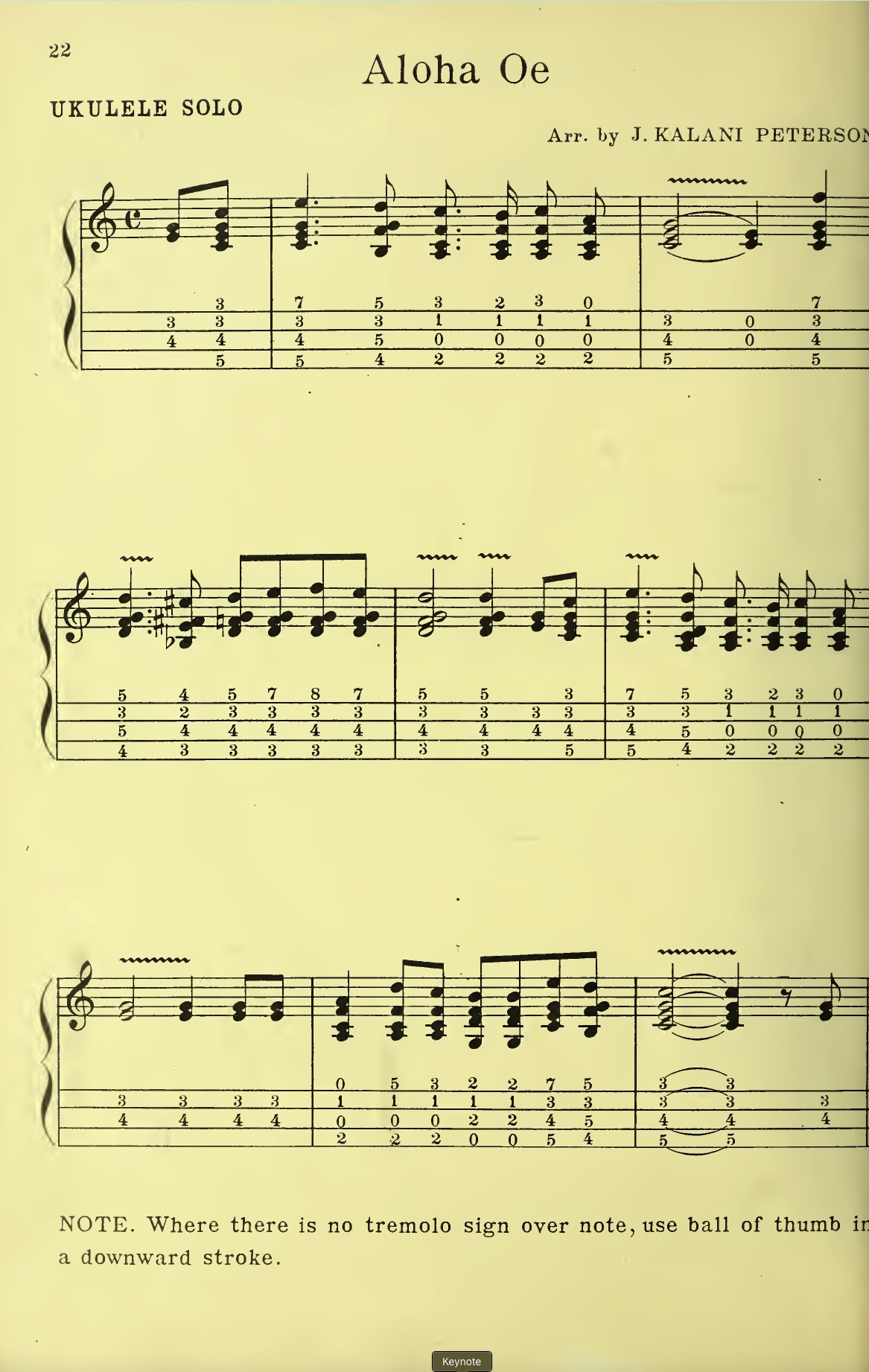
The system of tablature used in the book is especially fascinating. It is an early form of ukulele tab that still works beautifully today.
Hawaiian Music Meets Mainland Folk Traditions
In the second half of the book, things get even more interesting. Alongside Hawaiian classics, the method includes arrangements of popular mainland folk songs of the era such as Auld Lang Syne, La Paloma, The Old Oaken Bucket, and Dixieland.
These sit comfortably next to Hawaiian standards like “Aloha ʻOe,” reflecting how Hawaiian musicians were bridging cultures and appealing to new audiences across the United States.
A Book That Still Inspires
This particular copy was recently gifted to me by Ben Verdery, the longtime head of the Yale Classical Guitar Program, who has since retired and moved to Oʻahu. The book came from his wife’s family—her uncle had owned it decades ago. Discovering how this book has traveled through generations only adds to its magic.
Today, the Peterson Ukulele Method is in the public domain, and digital versions can be found online under titles such as The Peterson Ukulele Method. It remains an invaluable resource for players, teachers, and historians alike.
A Musical Legacy That Lives On
J. Kalani Peterson performed for U.S. Presidents William Howard Taft, Warren G. Harding, and Calvin Coolidge. Even earlier, in 1893, he traveled with Mekia Kealakaʻi to the World’s Fair in Chicago, where Hawaiian music was introduced to vast new audiences—many hearing it for the very first time. That exposition famously coincided with Chicago’s introduction to electricity and featured a Hawaiian Pavilion that ran for nearly half a year.
Hawaiian music surged in popularity after that, eventually making its way to New York City, where Kalani Peterson settled and lived for many years.
Carrying the Tradition Forward
Inspired by my great-great-uncle, I’ve continued the family tradition by publishing seven ukulele books of my own. Every time I open this 1924 method book, I’m reminded that the foundation of modern ukulele education was built over a century ago by visionary musicians like J. Kalani Peterson.
If you’re interested in ukulele history, Hawaiian music, or simply becoming a better player, I encourage you to explore the extraordinary J. Kalani Peterson Ukulele Method book and the legacy behind it. You can download a public domain free PDF of the book here.
And if you’d like to get started learning ukulele or take it to the next level, check out Ukulele Corner Academy, our online school for ukulele.
Aloha, and happy playing.
Thank you for the download. It’s very interesting and thorough!
Thanks Jeff, It was fascinating to learn about your family history and connection to the ukulele. I’m grateful you have carried on in your great-great uncle’s foot steps and have taken ukulele instruction even further to the highest level. Cheers, Garth
Wow this was quite interesting. It’s always great to find relatives with this kind of talent. Thank you for sharing this
What a treasure, Jeff!!