
Learn Your Ukulele Chord Families
How well do you know your chords on ukulele? In this blog we’ll walk you through the most common chord families on ukulele, with chord charts for each one. You may know C Major already, but did you know you can play a C7 by changing just one finger? In this video and blog you’ll learn the most common chord families, which include simple Major, minor, and 7th chords in each key.
Learning your basic ukulele chords starts with learning how to place each shape confidently and how to make every note ring clearly. As you work through these chords, pay attention to finger placement near the fret wire, keep your thumb low behind the neck, and listen for muted or unclear notes. Some shapes are simple and open, while others ask for a bar or a wider stretch. Take them one at a time, check each note carefully, and build the habit of setting each chord with control.
C Major, C7, and C Minor
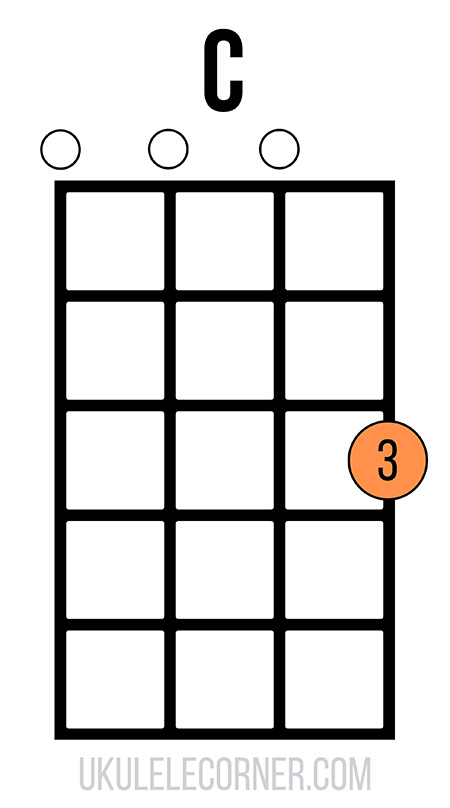
Start with C major. Place your third finger on the third fret of the high string, the A string, and leave the other strings open. Put the finger close to the fret wire and listen for a clear, ringing top note when you strum. That is your C chord.
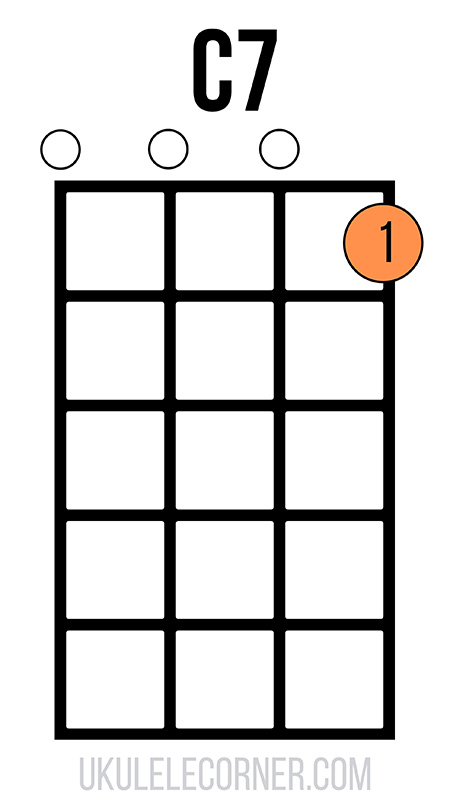
For C7, move to the first fret of the high string and keep the lower strings open. You can also notice how C major, C major 7, and C7 sit one fret apart on that same high string: third fret, second fret, and first fret.
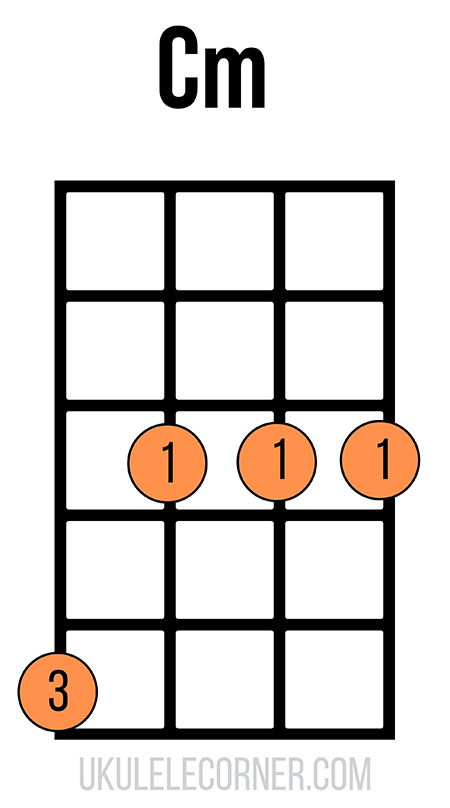
For C minor, lay your first finger flat across the third fret as a bar, mainly covering the top three strings. With high G tuning, leave the fourth string open, or place your third finger on the fifth fret of the fourth string. This is a movable shape, so as you shift it, the chord name changes with the note you are holding. Keep the barring finger parallel to the fret wire, lean the pressure forward toward the bridge, keep the thumb low behind the neck, and check each note carefully for clarity.
D Major, D7, and D Minor
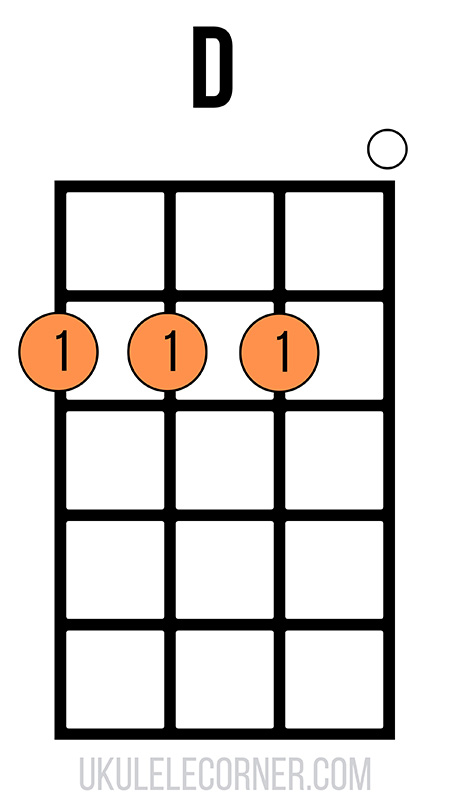
For D major, place three fingers in a row on the second fret and leave the high string open. Because the fingers share the same fret, tilt your hand back slightly so everything fits. You can also use alternate versions of D with a partial bar or a fuller bar, but keep the notes clear and the high string open.
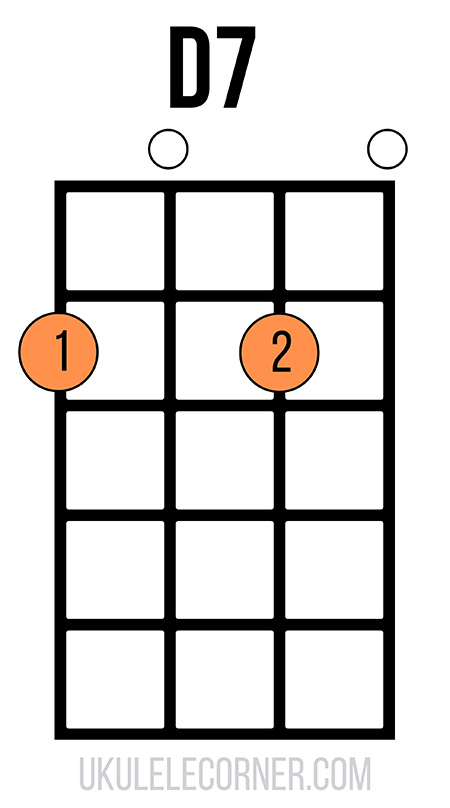
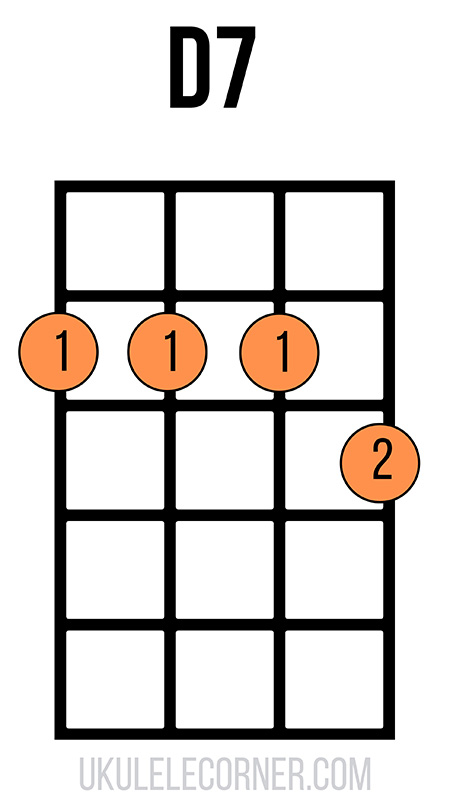
For D7, play the second fret of the fourth string, leave the third string open, play the second fret of the second string, and leave the high string open. Use first and second fingers or second and third fingers, depending on where you are going next. You can also use a barred version at the second fret with the third fret on the high string added above it. These shapes sound different because the notes are ordered differently, even though they contain the same pitches.
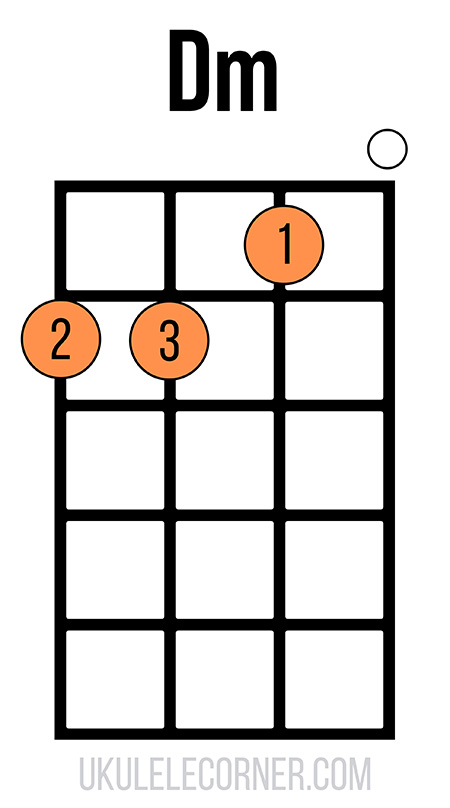
For D minor, think of F major and then add one more finger. Place your first finger on the second string, first fret, your second finger on the fourth string, second fret, and tuck your third finger right beneath it on the third string, second fret. Keep that third finger close to the fret wire.
E Major, E7, and E Minor
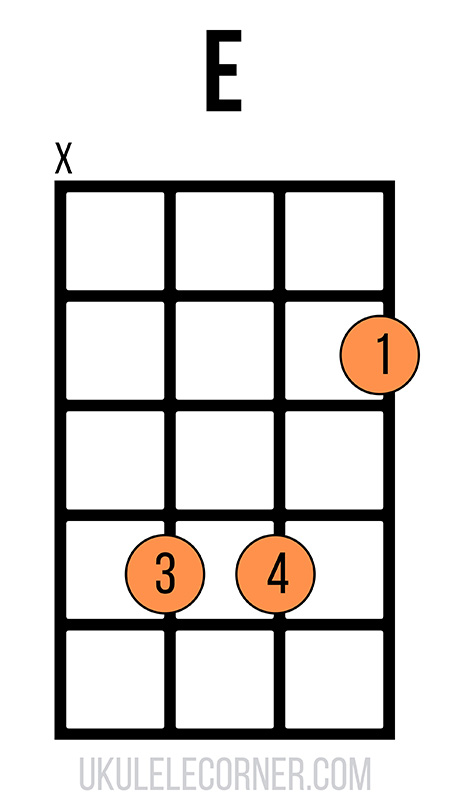
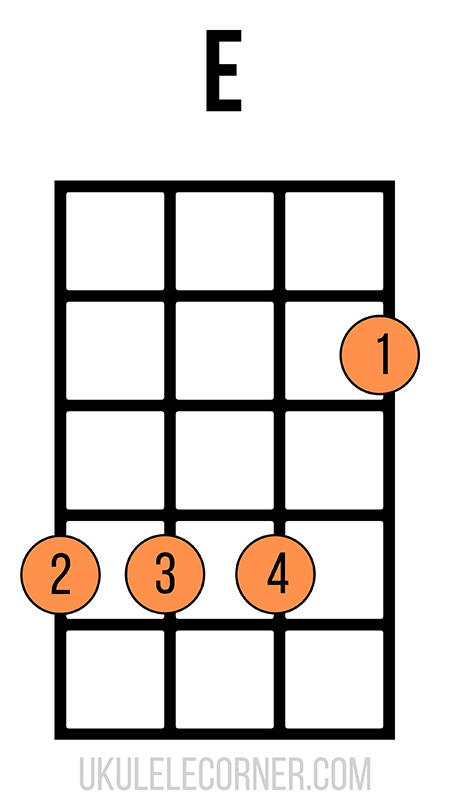
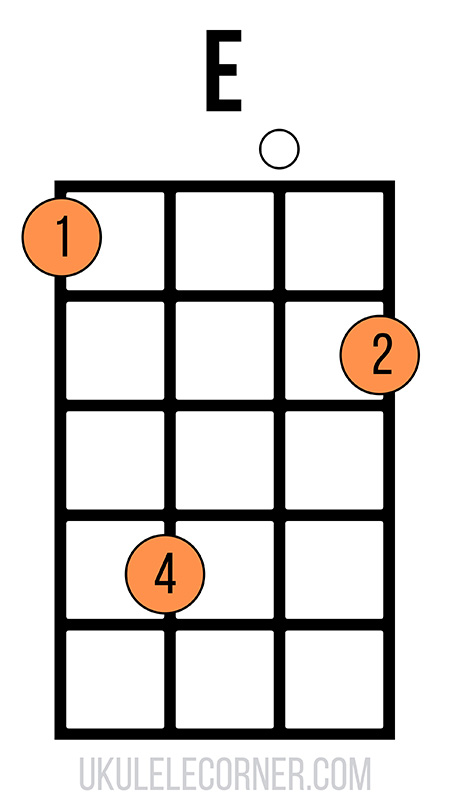
E major takes more work. Place your first finger on the first string, second fret, your fourth finger on the second string, fourth fret, and your third finger on the third string, fourth fret. Add your second finger on the fourth string, fourth fret if you are strumming, since the open fourth string clashes with the chord. Tuck the pinky in tightly, keep a good arch in the fingers, and bring the thumb down below the neck. You can also use another common E shape with the first finger on the fourth string, first fret, the second finger on the high string, second fret, the second string open, and the fourth finger on the third string, fourth fret.
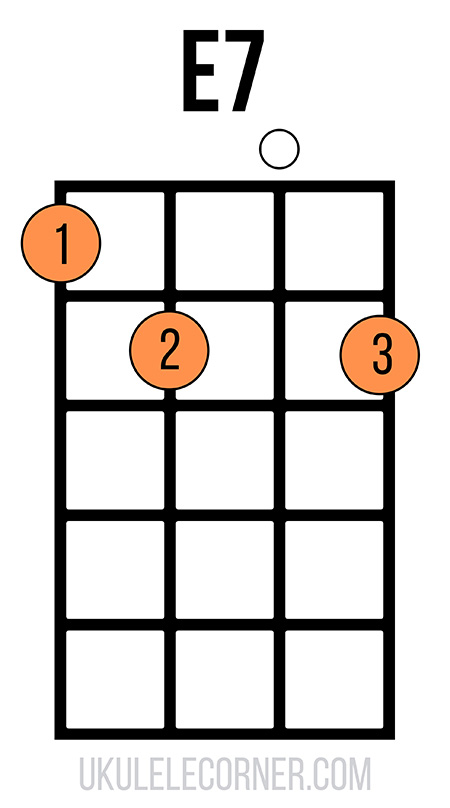
For E7, place your first finger on the first fret of the fourth string, your second finger on the second fret of the third string, leave the second string open, and play the first string at the second fret.
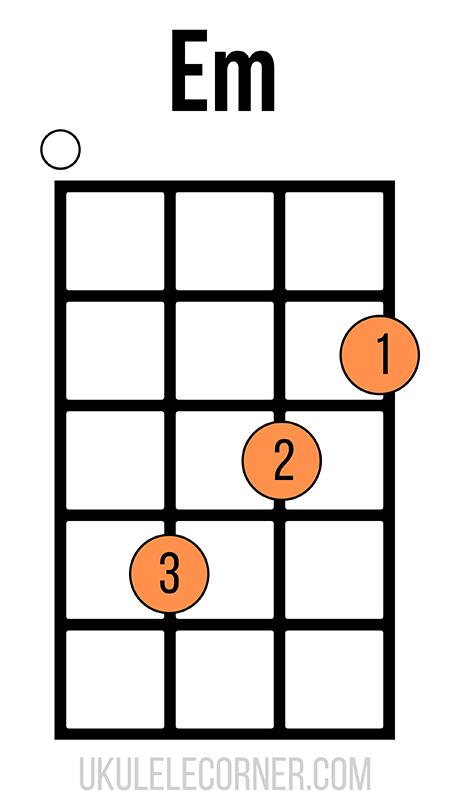
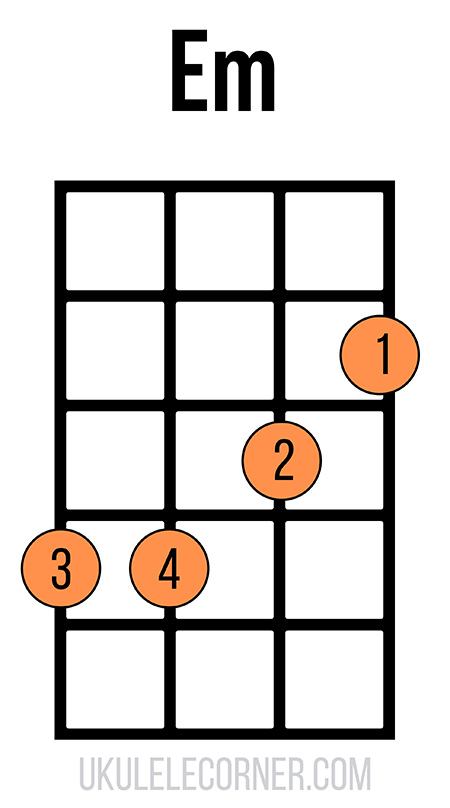
For E minor, place your first finger on the second fret of the first string, your second finger on the third fret of the second string, and your third finger on the fourth fret of the third string in a diagonal line. Keep the fingers curved and the thumb centered behind the neck.
F Major, F7, and F Minor
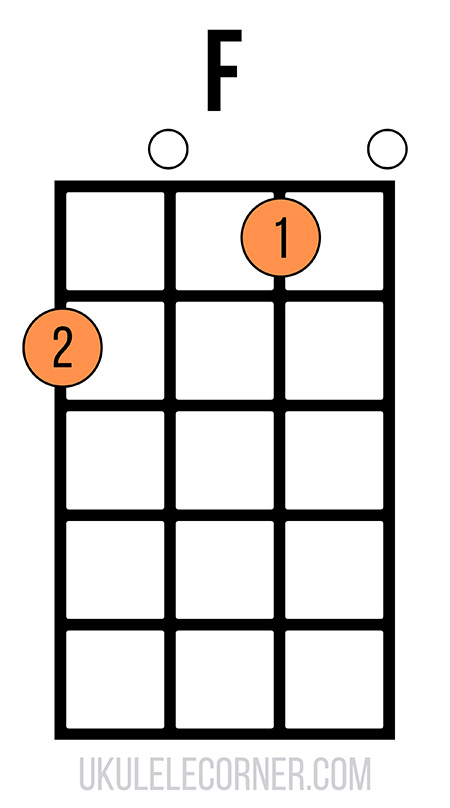
F major is a compact shape: place your first finger on the second string, first fret, and your second finger on the fourth string, second fret, with the third string and high string open. Keep the thumb from creeping too high and make sure the fingers are not so flat that they muffle the top string.
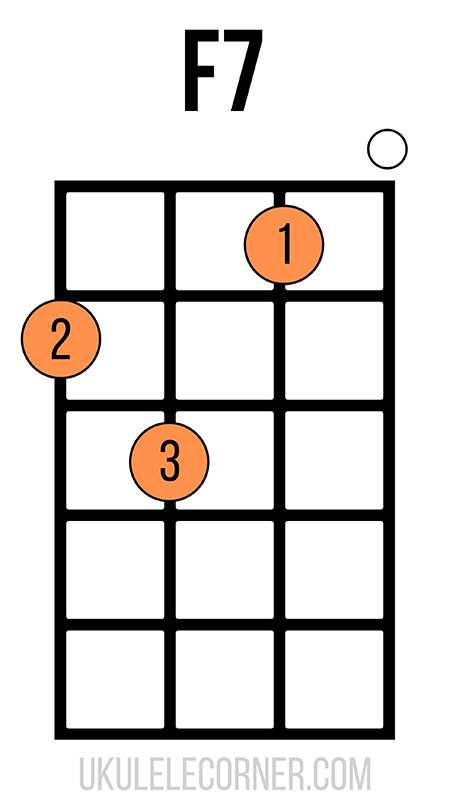
For F7, keep the F shape and add your third finger on the third fret of the third string.
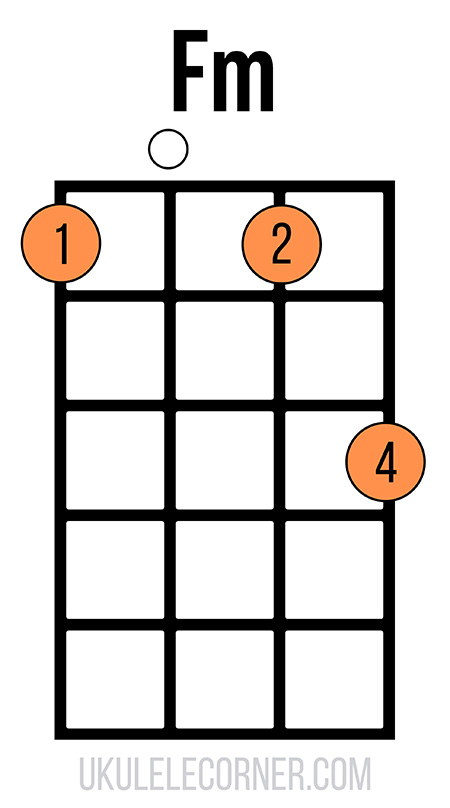
For F minor, place your first finger on the fourth string, first fret, leave the third string open, place your second finger on the second string, first fret, and add your fourth finger on the high string, third fret. Use the pinky for that reach and listen carefully for clarity.
G Major, G7, and G Minor
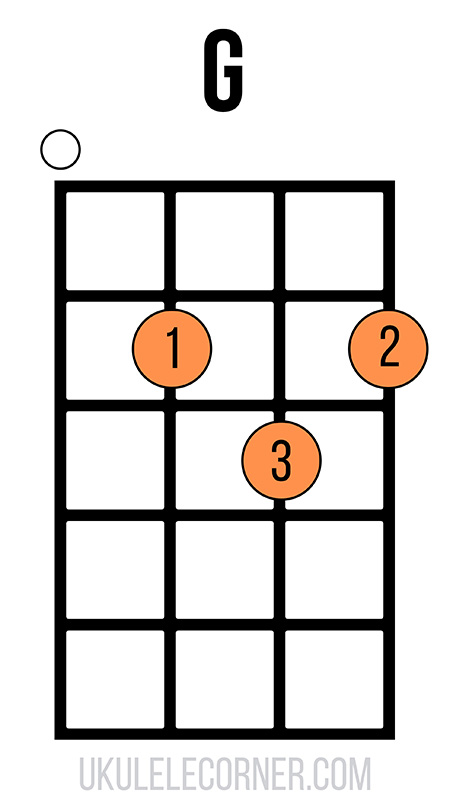
For G major, place your first finger on the third string, second fret, the second finger on the first string, second fret, and the third finger on the second string, third fret. Tilt the hand back slightly, keep a good arch, and listen for muffled notes.
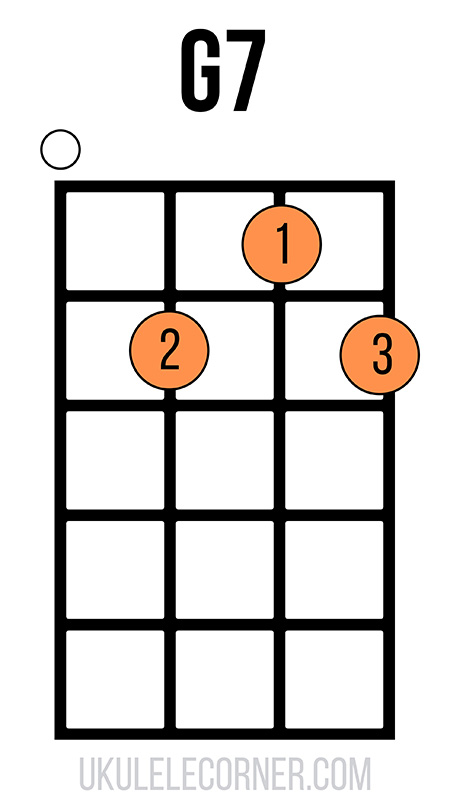
For G7, place your first finger on the second string, first fret, the second finger on the third string, second fret, and the third finger on the high string, second fret.
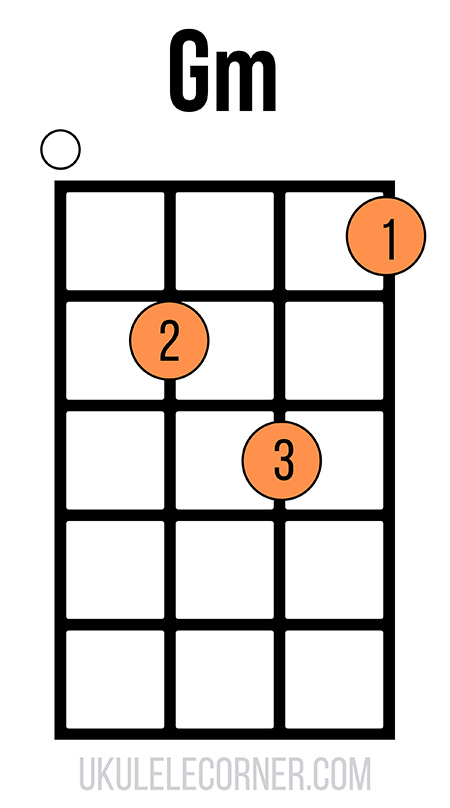
For G minor, place your first finger on the first fret of the high string, your second finger on the second fret of the third string, and your third finger on the third fret of the second string.
A Major, A Minor, and A7
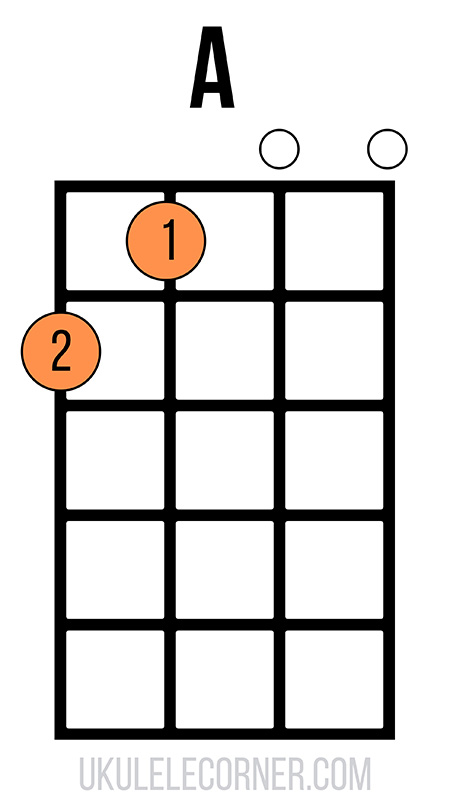
For A major, place your first finger on the third string, first fret, and your second finger on the fourth string, second fret.
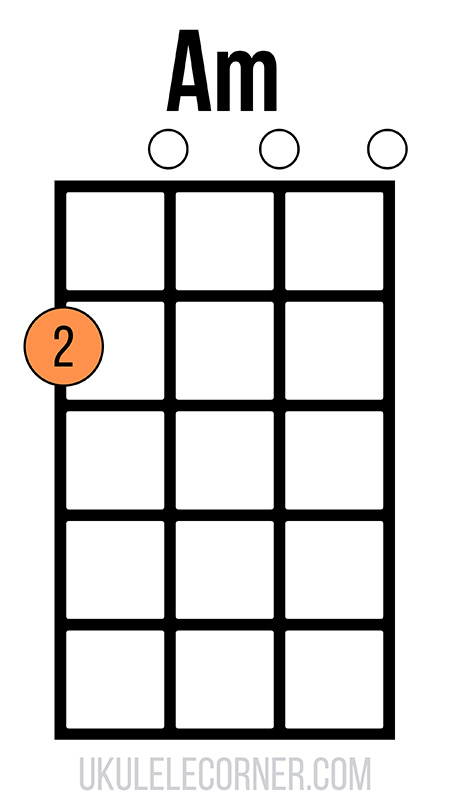
A minor is simpler: place one finger, usually the second finger, on the second fret of the fourth string and leave the next three strings open. Keep that finger curved and close to the fret wire so the upper strings ring freely.
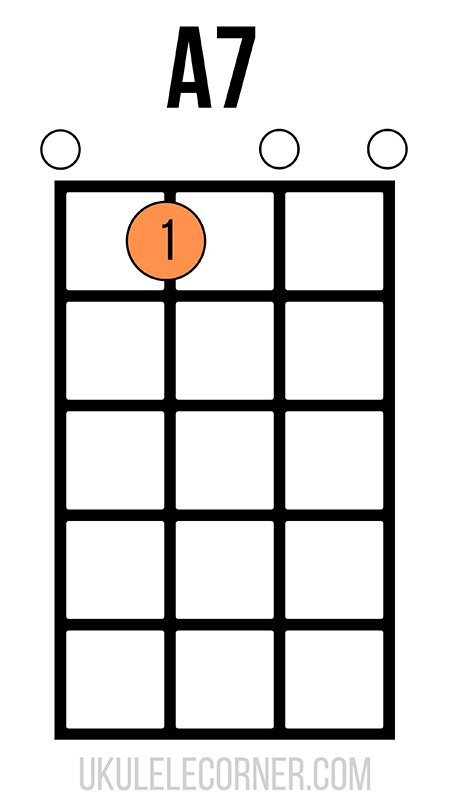
For A7, place your first finger on the third string, first fret, and leave the other strings open.
B-flat Major, B Minor, and B7
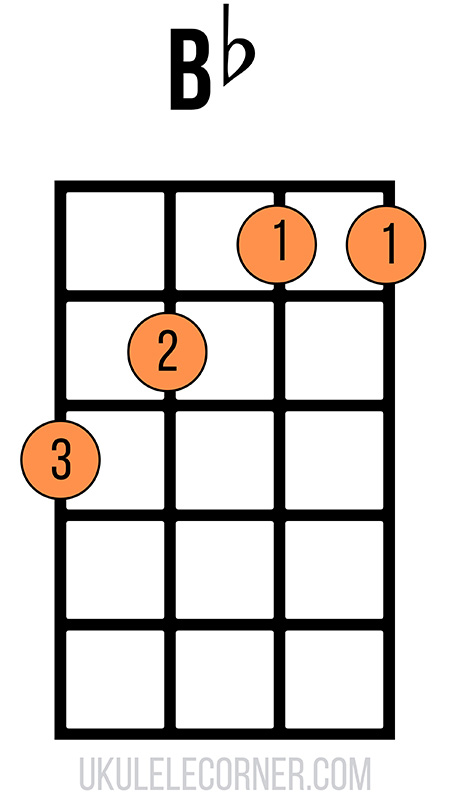
B-flat major is one of the harder beginner chords because it uses a partial bar. Lay your first finger across the top two strings at the first fret, keep the thumb low, swing the elbow in, and rotate the hand so the high string is fully covered. Then add the second finger on the third string, second fret, and the third finger on the fourth string, third fret. Practice the bar alone first, then add the other fingers one at a time, listening for a clean tone at each stage.
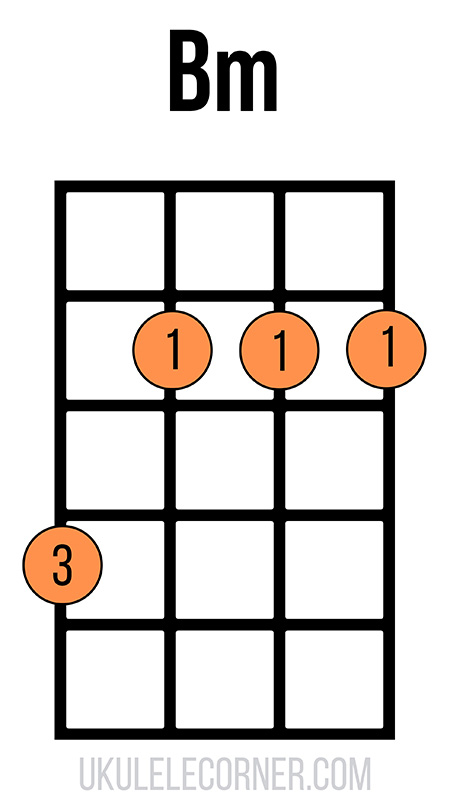
For B minor, place your index finger as a bar across the top three strings at the second fret. Then add your third finger on the fourth string, fourth fret. You can also cover all four strings with the index finger if you want, but only covering the three needed strings is fine and uses less motion.
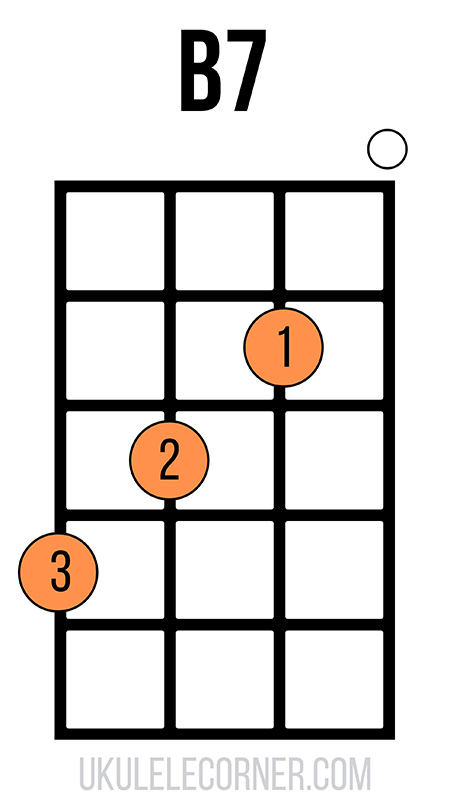
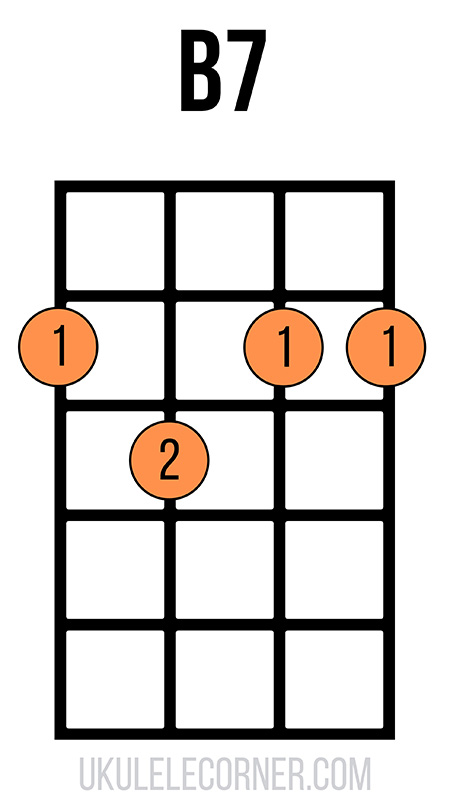
For B7, one option is to place your first finger on the second fret of the second string, then place your second and third fingers in a line on the third and fourth strings at the third and fourth frets. This creates a shape like E minor moved over one set of strings. Another option is to lay your first finger flat across all the strings as a bar, then add the second fret of the third string. Use this as a movable shape, and use it to practice getting your bar chords to ring clearly.
Conclusion
As you practice these chords, do not rush from shape to shape without listening. Place the fingers, strum slowly, and make sure each note sounds clearly before you move on. When a chord is difficult, break it apart, set the hardest finger or bar first, and then add the remaining notes. Over time, these shapes will feel more natural, and the small adjustments of hand angle, finger arch, and thumb position will make a big difference in how clearly and comfortably you play.



Leave A Comment